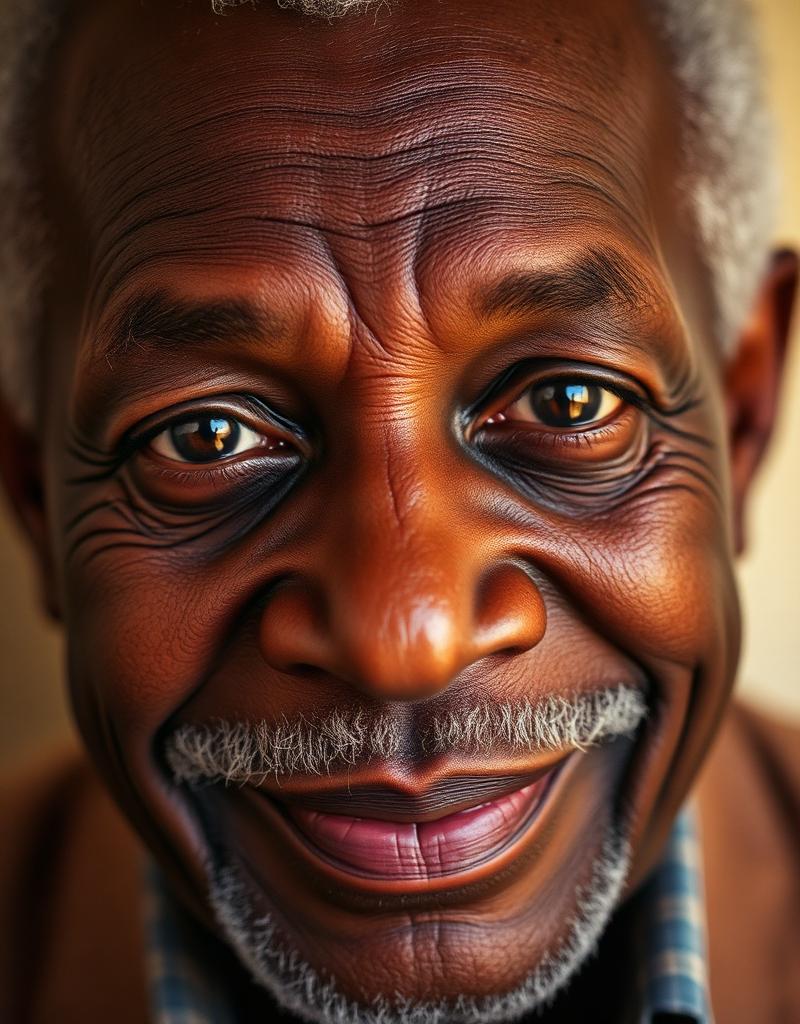
Samuel Thorne
Community Builder
For forty years of planting neighborhood gardens that fed the body and the soul.

A tribute to African American freedom — to the resilience born of June 19, 1865, the dignity of remembrance, and the shared journey toward a unified future.
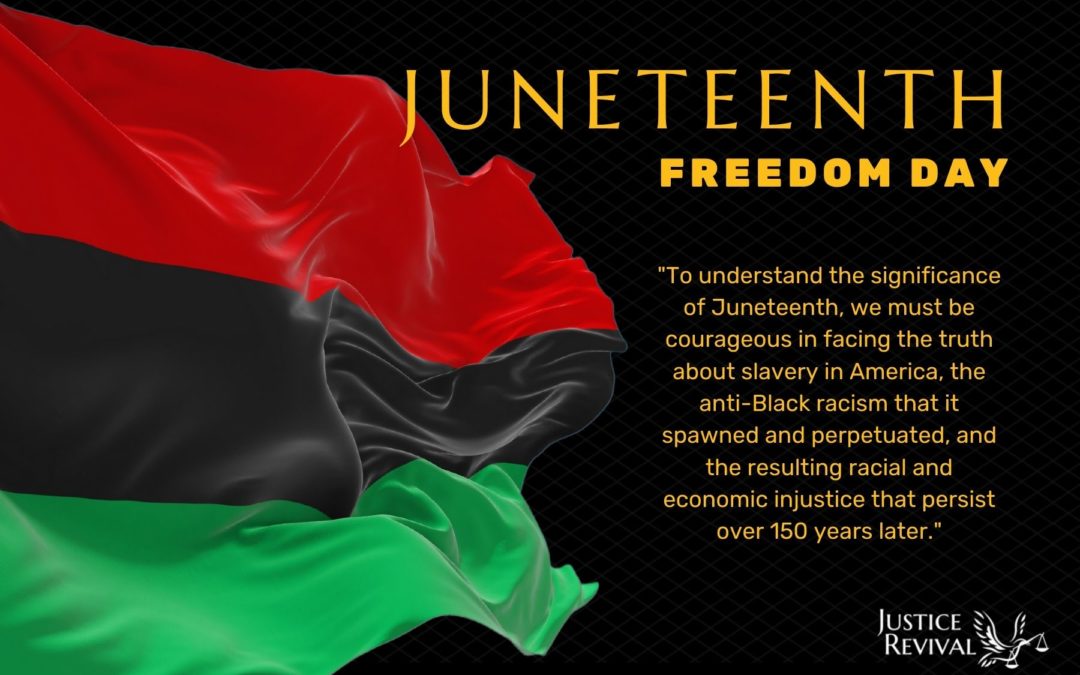
On June 19, 1865 — more than two years after the Emancipation Proclamation — Union troops reached Galveston, Texas, and the last enslaved African Americans were finally told they were free. Juneteenth marks that delayed dawn, and the truth that freedom delayed is freedom denied.
Black history in America is a history of resilience: a people who built, taught, organized, marched, and loved across generations of injustice. Juneteenth honors emancipation, civil rights, and the everyday courage that carried a community forward when systems were built to hold it back.
Today, the work continues. Honoring Juneteenth means remembering the lives lost to racial violence and to systems that failed them, recognizing the burden still carried, and recommitting to a future where freedom belongs to everyone.
Celebrating the everyday heroes — workers, parents, organizers — whose persistence and love built the foundations beneath us.
Community Builder
For forty years of planting neighborhood gardens that fed the body and the soul.
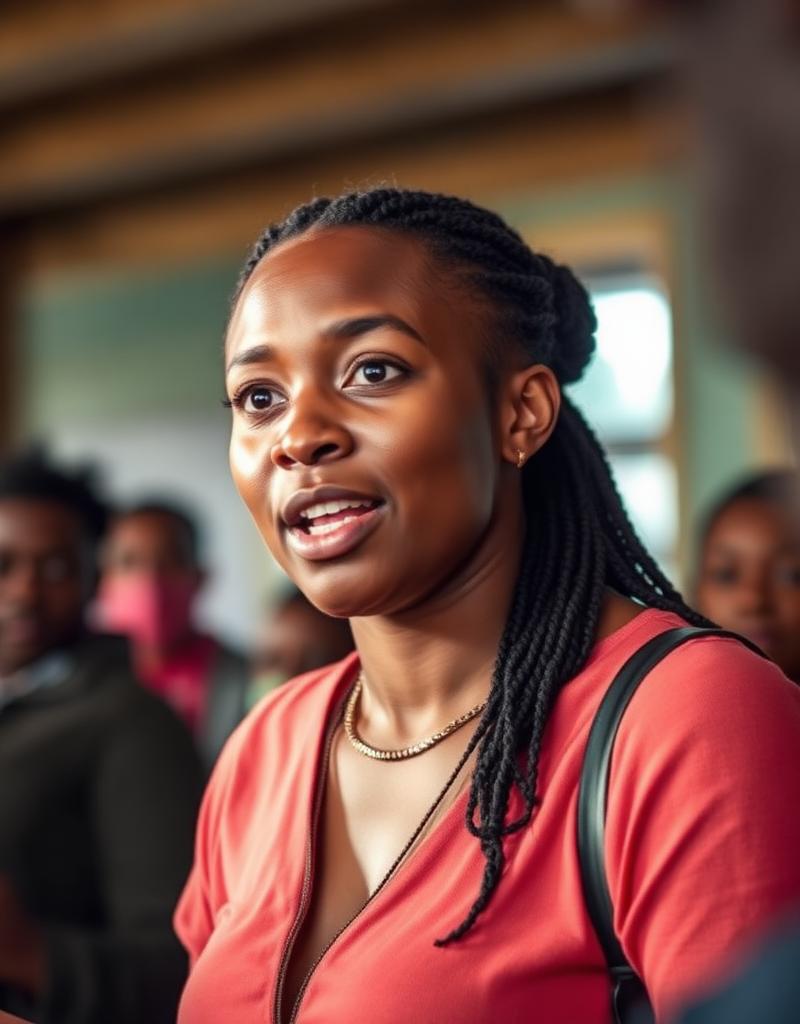
Local Organizer
Organizing voices for educational equity so every child has a path to rise.
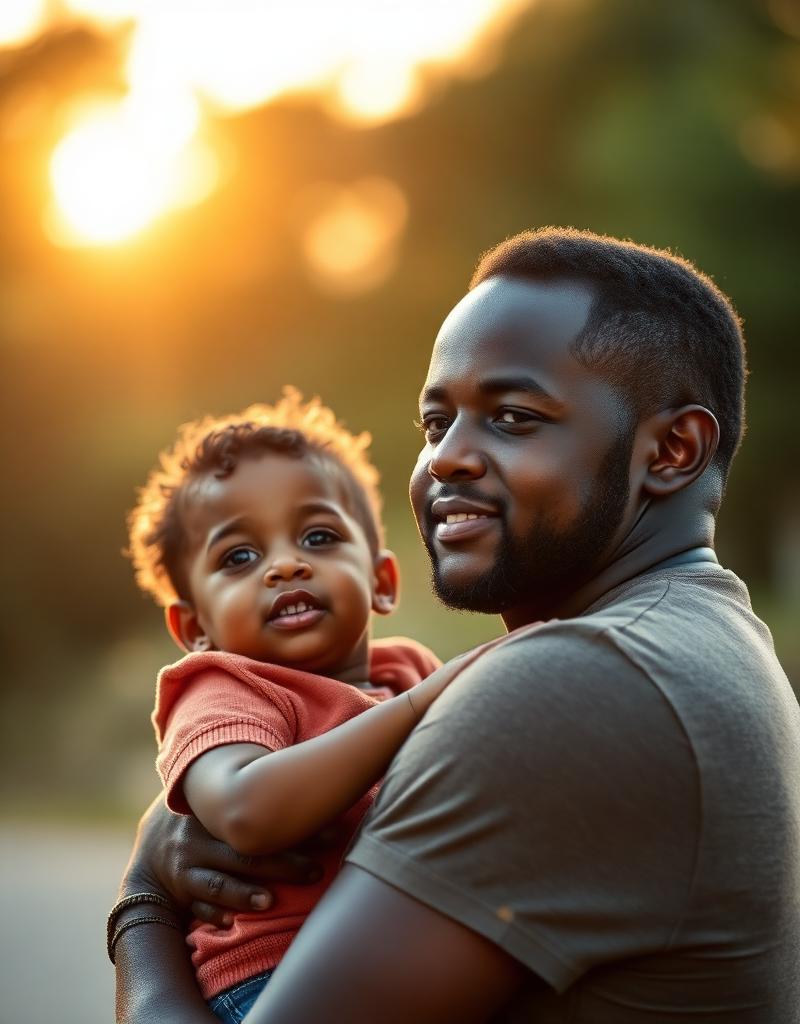
Devoted Parent
Modeling resilience and tenderness for the next generation, one quiet day at a time.
Night-Shift Nurse
Three decades of holding hands at bedsides, carrying strangers through the dark.
Union Steward
Walking the line for dignity in the workplace when the cost of speaking up was high.
Church Mother
Sunday plates, school clothes, and a roof for every child who had nowhere else to go.
“The shadows of the past are long, but they do not define our reach.”
We honor those whose names were lost to the wind, whose lives were cut short by systems that failed them, and whose quiet sacrifices paved the difficult road toward the light we now carry forward.
We remember Black lives taken by police violence and by an unequal hand of justice — names that became a call for accountability, and a country's reckoning that is still unfinished. We say their memory plainly, with dignity, and we refuse the silence that protects injustice.
Unity is not the absence of difference — it is the presence of shared purpose. As we look toward the horizon, we carry the legacy of our ancestors into a future built on mutual respect and radical hope.
Fostering dialogue across generations
Upholding the promise of true freedom
Building bridges of empathy and action
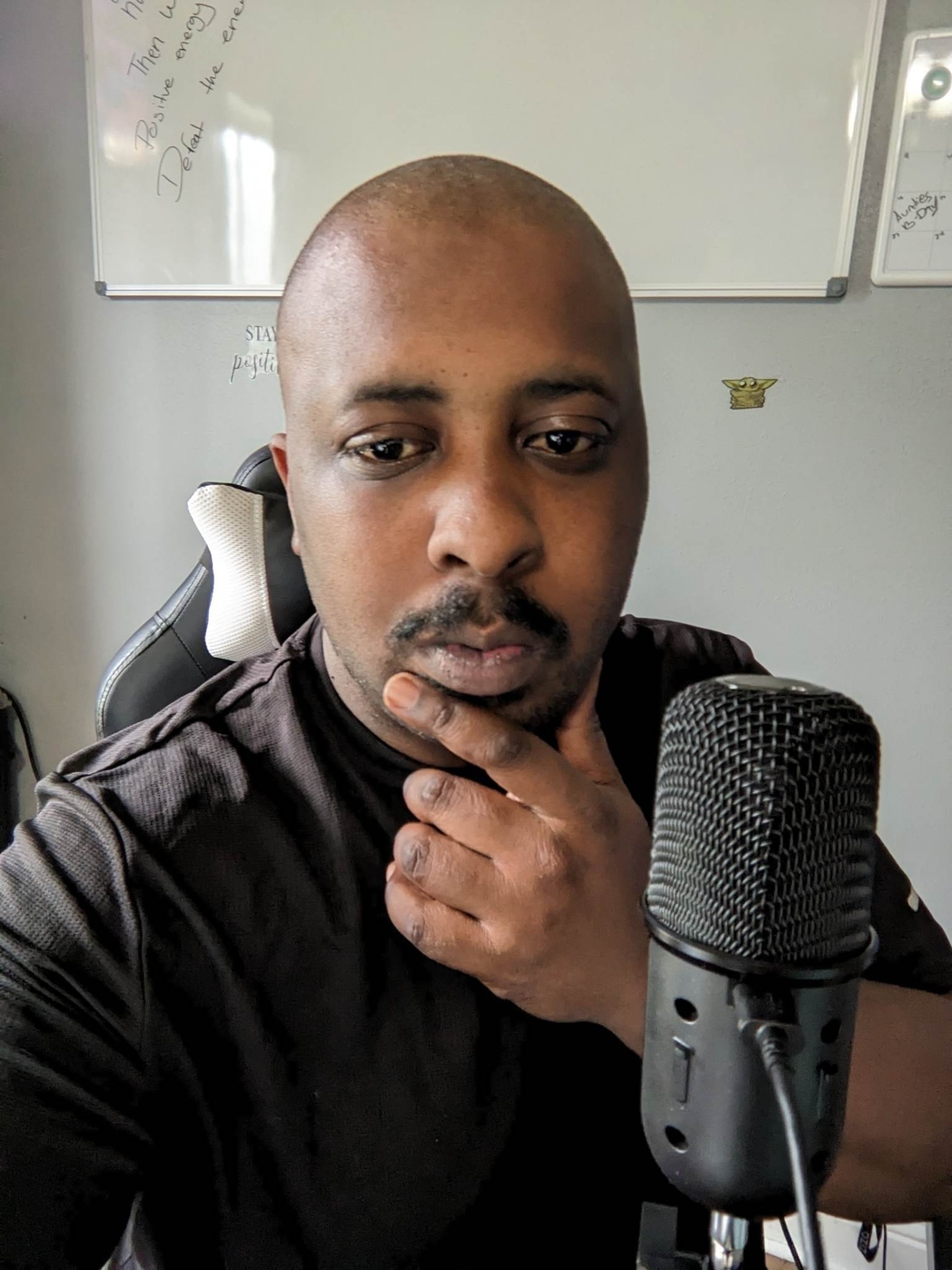
Domenick Arlon Hall is the owner and author of this tribute — a Black American whose life and work give these pages their conviction.
He grew up Black across a country of neighborhoods — Long Beach, Inglewood, Compton, Watts, Chicago, and a dozen places in between. Each street taught him something different about struggle, about brotherhood, and about the cost of surviving systems that were never built with him in mind.
Education was a doorway. Earning his way through on scholarship, he turned around and held that door open for others — mentoring brothers and fathers, investing in the next generation because of what he has seen, and because the future depends on who shows up for it.
He has lived the part of America that doesn't make the speeches. Cops have harassed him from Long Beach all the way down to Mobile, Alabama — different zip codes, same script, same fear in the rearview. It is hard to live this way. He doesn't want a fight. He wants peace, and he wants the people who wear the badge to do the job they were sworn to do — honestly, evenly, without bias.
His family draws a map across America: California, Ohio, Texas, New York, Pennsylvania, Wisconsin, Illinois. That map mirrors the African American journey itself — a people rooted everywhere, carrying the same hope into every state they call home.
His message is plain. Other countries find ways to move as one. America has built separate categories for everything, and lets law and bias judge people before they have spoken. He refuses that. The work is to learn, to remember, to stand together — and to get it done.
“Why can other countries move their people as one, but not Americans? Because we built separate categories for everything. Let's get it done — together.”
President Abraham Lincoln signed the Emancipation Proclamation on January 1, 1863. On paper, every enslaved person in the rebelling Confederate states was “forever free.” In reality, paper does not free anyone — armies do. Where the Union Army had not yet reached, slavery continued. Texas, the farthest western edge of the Confederacy, was that place. Enslavers from across the South fled there with the people they held captive, betting that the war would not arrive before they could.
On June 19, 1865 — two and a half years after the Proclamation, and more than two months after Robert E. Lee surrendered at Appomattox — Union Major General Gordon Granger landed at Galveston, Texas with about 2,000 federal troops. From a balcony in the city, he read aloud General Order No. 3:
“The people of Texas are informed that, in accordance with a proclamation from the Executive of the United States, all slaves are free.”
With those words, the last roughly 250,000 enslaved African Americans in the United States learned — for the first time — that they were no longer property. Some walked off the plantation that day. Others were forced to stay through the harvest. Many were never told at all by the people who held them. Freedom, even when declared, had to be reached for, fought for, and protected.
That is why we mark June 19 — not because the country delivered freedom on time, but because it did not. Juneteenth is the record of a delay: the receipt that proves emancipation in America was always partial, always uneven, always slow to arrive for the people it most belonged to. To honor it is to refuse the lie that justice in this country has ever been automatic.
One hundred and fifty-six years later, on June 17, 2021, Juneteenth became a federal holiday. Recognition is a step. It is not the destination.
Juneteenth is, first and always, an African American holiday — the marker of our freedom, our resilience, and our cost. That truth doesn't shrink when it's shared. It grows.
Around the world there are peoples still walking the same road: Indigenous nations defending land and language; immigrants and refugees crossing borders in search of safety; workers organizing for dignity; women, queer and trans folks pushing against laws designed to erase them; Palestinians, Haitians, Sudanese, Uyghurs, and countless others living under occupation, displacement, or fear.
We invite them to learn the meaning of Juneteenth — not to replace their story, but to stand beside ours. Freedom is not a finite resource. When one people gets free, the rest of us get closer.